

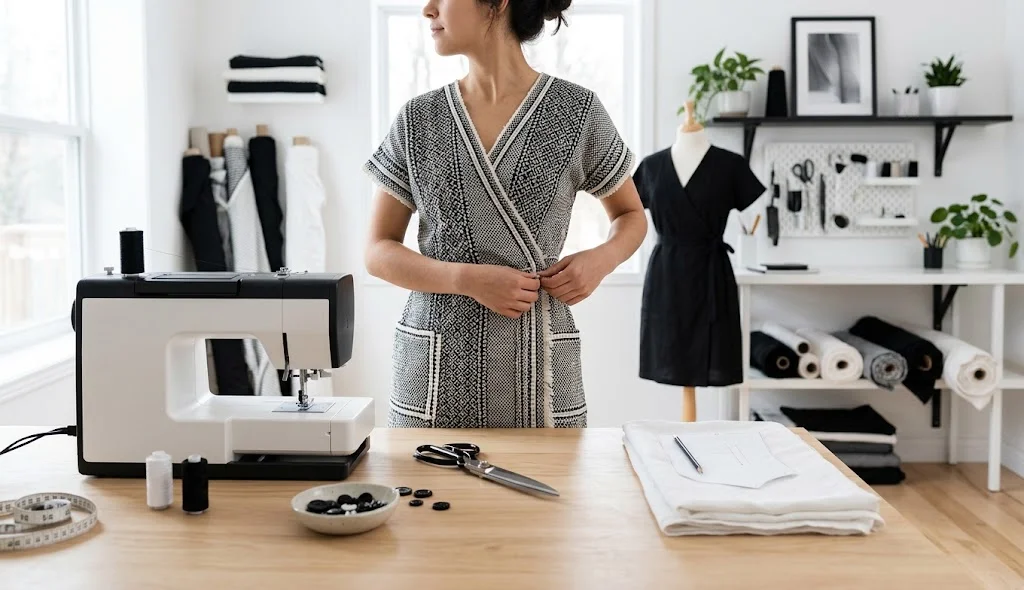
DIY dresses are a creative and budget-friendly way to refresh your wardrobe and turn simple fabrics or old clothing into something new. Whether you want to sew a dress from scratch, transform an oversized shirt, or upcycle an old dress, there are many ways to create a personalized outfit at home.
With basic sewing supplies, fabric, and a little creativity, you can make DIY dress ideas that match your preferred style, size, and occasion.
Why Try DIY Dress Projects?
Making your own dress can be rewarding for many reasons:
- Budget-friendly: Create new outfits without buying expensive designer pieces.
- Personalized: Choose your preferred fabric, color, length, and style.
- Creative: Experiment with different patterns and designs.
- Sustainable: Upcycle old clothes and unused fabrics.
- Unique: Make clothing that reflects your personal style.
- Skill-building: Improve your sewing and clothing-design skills.
10 Easy DIY Dress Methods
1. DIY T-Shirt Dress
Transform an oversized T-shirt into a simple casual dress. Choose a shirt that is long enough for the intended wearer and adjust the sides or hem as needed.
Add a fabric belt or simple decorative details to create a more fitted appearance.
Best for: Casual outfits, summer wear, and beginners.
2. DIY Maxi Dress
Create a comfortable maxi dress using lightweight fabric. A simple floor-length or ankle-length pattern can be easier to sew than a highly structured design.
Choose breathable fabric for a comfortable summer outfit and add elastic or a suitable waistband for a flexible fit.
Best for: Summer outfits, vacations, and casual occasions.
3. DIY Slip Dress
A slip dress can be made using lightweight fabric and a relatively simple pattern. Cut the fabric according to your measurements, sew the main seams, and add adjustable straps.
Choose satin-like fabric for an elegant appearance or cotton for a casual version.
Best for: Simple, minimalist wardrobes.
4. DIY Wrap Dress
A wrap dress uses overlapping front panels that tie around the waist. This design can be flattering and adjustable.
Use a suitable dress pattern to determine the shape of the front panels, sleeves, and neckline.
Best for: Casual and semi-formal outfits.
5. DIY Shirt Dress
Turn an oversized button-up shirt into a stylish shirt dress. Depending on the original shirt, you can add a belt, adjust the hem, or reshape the sides.
This is an excellent upcycling project because the existing buttons and collar can become design features.
Best for: Casual everyday fashion.
6. DIY Sundress
Make a lightweight sundress from cotton or another breathable fabric. A simple sleeveless pattern with a gathered skirt can be beginner-friendly.
Add pockets, straps, or a decorative waistband to personalize the design.
Best for: Warm weather and summer wardrobes.
7. DIY Old Dress Makeover
Instead of throwing away an old dress, give it a new look. Change the length, replace the sleeves, add fabric panels, alter the neckline, or decorate it with suitable trim.
Small alterations can completely change the appearance of an existing dress.
Best for: Sustainable fashion and wardrobe updates.
8. DIY Denim Dress
Repurpose old denim clothing or suitable denim fabric to create a casual dress. Denim can be heavier than typical dress fabric, so choose a pattern and sewing machine setup appropriate for the material.
Add pockets or contrasting stitching for a classic casual look.
Best for: Casual outfits and upcycling projects.
9. DIY Tiered Dress
A tiered dress is made by joining multiple fabric sections to create a layered skirt. Each tier can be slightly wider than the previous one to create a flowing silhouette.
Choose lightweight fabric so the finished dress does not become unnecessarily heavy.
Best for: Boho, casual, and summer styles.
10. DIY No-Sew Dress
For a temporary or simple costume-style project, transform a large piece of fabric or an oversized garment using folds, knots, belts, or fabric-safe fasteners.
This approach is useful when you want a quick outfit without advanced sewing skills.
Best for: Quick fashion experiments and costumes.
Basic Materials for DIY Dress Projects
Depending on your chosen design, you may need:
- Fabric
- Existing clothing for upcycling
- Sewing machine or needle and thread
- Fabric scissors
- Measuring tape
- Sewing pins or clips
- Fabric chalk or washable marker
- Ruler
- Iron
- Seam ripper
- Elastic
- Buttons
- Zippers
- Hook-and-eye closures
- Suitable fabric interfacing
- Dress pattern or template
How to Make a Simple DIY Dress
A basic loose-fitting dress can be a good starting point for beginners.
Step 1: Take Your Measurements
Measure the bust, waist, hips, desired dress length, and other dimensions required by your chosen pattern.
Step 2: Choose Your Fabric
Select fabric appropriate for the dress design. Lightweight cotton is often easier for beginners to sew than slippery or very stretchy fabrics.
Step 3: Prepare the Pattern
Use a commercial pattern, a properly drafted pattern, or a suitable existing garment as a reference. Avoid cutting expensive fabric until you are confident the measurements are correct.
Step 4: Cut the Fabric
Lay the fabric flat and carefully cut each pattern piece. Follow the grain direction and include the required seam allowances.
Step 5: Sew the Main Pieces
Join the front and back pieces according to your pattern instructions. Keep seams aligned and press them as you work.
Step 6: Add Sleeves or Straps
Attach sleeves, straps, or other design elements according to the chosen pattern.
Step 7: Finish the Edges
Finish the neckline, armholes, and hem using an appropriate sewing technique.
Step 8: Try on the Dress
Check the fit before completing all finishing details. Make small alterations if necessary.
Step 9: Add Decorative Details
Personalize your dress with pockets, buttons, embroidery, fabric trim, or a belt.
DIY Dress Safety Tips
Sewing and clothing projects require some basic precautions:
- Use scissors and sewing tools carefully.
- Keep pins and needles in a secure container when not in use.
- Children should have adult supervision when using sewing machines or sharp tools.
- Unplug the sewing machine when changing the needle or performing maintenance.
- Follow the manufacturer’s instructions for your sewing machine.
- Test fabric treatments and dyes on a small piece before applying them to the entire garment.
- Wash and prepare fabric according to its care requirements before sewing when appropriate.
How to Make a DIY Dress Look Professional
Accurate measurements are one of the most important parts of dressmaking. Take your time when cutting fabric and mark important points before sewing.
Press seams as you work, use an appropriate needle and thread for the fabric, and finish raw edges neatly. A simple dress with clean construction often looks better than a complicated dress with poorly finished seams.
Choosing the right fabric also matters. Structured fabrics work well for some fitted designs, while lightweight fabrics are better suited to flowing dresses.
DIY Dress Ideas for Beginners
If you are new to sewing, start with simple designs such as:
- Loose T-shirt dresses
- Simple sundresses
- Elastic-waist dresses
- Basic shift dresses
- Simple maxi dresses
- Upcycled shirt dresses
- Easy tiered dresses
Once you become comfortable with basic seams and garment construction, you can experiment with sleeves, collars, zippers, pleats, and more detailed patterns.
Final Thoughts
DIY dressmaking is a rewarding way to express your creativity while creating clothing that fits your style. From simple T-shirt dresses and sundresses to wrap dresses, maxi dresses, and upcycled clothing, there are many projects to explore.
Start with an easy pattern, choose a beginner-friendly fabric, and focus on accurate measurements and clean sewing. With practice, your DIY dress projects can become more creative, stylish, and personalized.