

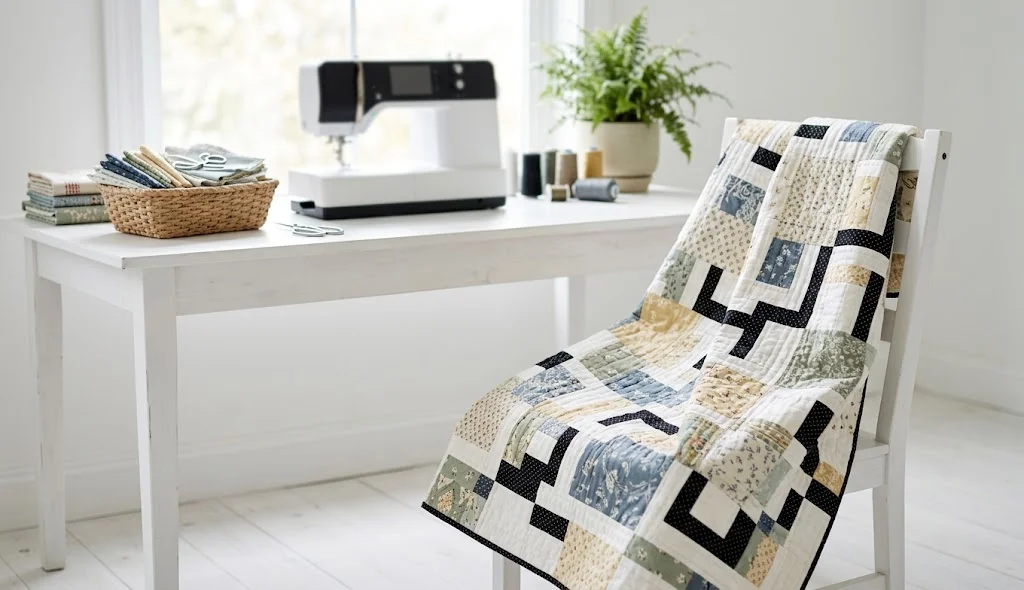
DIY quilts are a wonderful way to turn fabric scraps, old clothes, and beautiful textiles into something useful and meaningful. Whether you are a beginner or an experienced crafter, making a quilt allows you to experiment with colors, patterns, textures, and stitching techniques.
From simple patchwork quilts to cozy rag quilts, there are plenty of DIY quilt ideas you can make at home. With basic sewing supplies and a little patience, you can create a handmade quilt for your bed, sofa, nursery, or as a thoughtful gift.
Why Make a DIY Quilt?
Making your own quilt offers many benefits:
- Creative: Choose your own fabrics, colors, and patterns.
- Budget-friendly: Use fabric remnants or old clothing.
- Personal: Create quilts that represent special memories.
- Practical: Make blankets, throws, cushions, and decorative pieces.
- Eco-friendly: Give unused fabrics a new purpose.
10 Easy DIY Quilt Methods
1. DIY Patchwork Quilt
A patchwork quilt is one of the easiest quilt projects for beginners. Cut fabric into squares or rectangles of similar sizes and arrange them in a repeating pattern.
Sew the pieces together row by row, then attach the quilt top to batting and backing before finishing with quilting stitches.
Best for: Beginners and colorful bedroom blankets.
2. DIY Rag Quilt
Rag quilts are simple because the seams are designed to fray. Cut several fabric squares, layer the pieces, and sew through the layers.
After assembling the quilt, carefully clip the seam allowances and wash the quilt to create its characteristic soft, frayed appearance.
Best for: Cozy blankets and beginner sewing projects.
3. DIY T-Shirt Quilt
Turn old T-shirts into a memory quilt. Choose shirts with meaningful graphics, cut out the main designs, and stabilize the fabric with suitable interfacing.
Arrange the shirt panels with fabric strips or additional quilt blocks and sew them together.
Best for: Memory blankets, graduation gifts, and keepsakes.
4. DIY Baby Quilt
Create a small quilt using soft, washable fabrics. Simple squares, rectangles, or gentle geometric patterns work well for beginners.
Choose fabrics that are comfortable and appropriate for babies, and avoid loose decorative elements that could become detached.
Best for: Baby showers, nurseries, and handmade gifts.
5. DIY Denim Quilt
Reuse old jeans to make a durable denim quilt. Cut the denim into squares or other simple shapes and combine them with cotton fabrics for contrast.
Because denim can be heavy, consider making a smaller throw rather than an oversized quilt if you are new to sewing.
Best for: Picnic blankets, throws, and upcycling projects.
6. DIY Strip Quilt
A strip quilt uses long fabric strips instead of individual squares. Cut strips to the same width, sew them together, and then cut the joined fabric into sections to create a repeating design.
This method can be faster than sewing many individual quilt blocks.
Best for: Beginners who want a simple geometric quilt.
7. DIY Scrap Quilt
Use leftover fabric pieces from previous sewing projects to make a colorful scrap quilt. Sort the scraps by color, size, or pattern before creating your quilt blocks.
The irregular combination of fabrics gives each scrap quilt a unique personality.
Best for: Fabric recycling and creative sewing.
8. DIY No-Sew Quilt
If you do not have a sewing machine, try a fleece or fabric-tie quilt. Arrange two layers of suitable fabric, cut matching fringe around the edges, and tie the layers together.
This method is particularly accessible for beginners and children with appropriate supervision.
Best for: Quick blankets and beginner craft projects.
9. DIY Appliqué Quilt
Add decorative fabric shapes to a quilt background using an appliqué technique. You can create flowers, stars, animals, letters, or geometric designs.
Secure the appliqué pieces properly before finishing the quilt.
Best for: Personalized children’s quilts and decorative blankets.
10. DIY Quilt With Old Clothes
Turn meaningful old clothing into a memory quilt. Select garments with sentimental value, cut usable sections from them, and combine the pieces with coordinating quilting cotton.
This is a great way to preserve memories while creating something practical.
Best for: Memory quilts and sentimental gifts.
Basic Materials for a DIY Quilt
Before starting a quilt project, gather the following supplies:
- Cotton or other suitable quilting fabric
- Fabric scraps or old clothing
- Fabric scissors or rotary cutter
- Cutting mat
- Quilting ruler
- Sewing machine or hand-sewing supplies
- Thread
- Quilt batting
- Quilt backing fabric
- Pins or quilting clips
- Measuring tape
- Iron and ironing board
- Seam ripper
How to Make a Simple DIY Quilt
A basic patchwork quilt is a good starting point for beginners.
Step 1: Choose Your Fabric
Select several fabrics that work well together. Cotton is a popular choice because it is easy to cut and sew.
Step 2: Decide on the Quilt Size
Determine whether you want a baby quilt, lap quilt, throw, or bed quilt. A smaller quilt is usually easier for beginners to manage.
Step 3: Cut Your Quilt Blocks
Cut fabric into equal-sized squares or rectangles. Accurate cutting helps the finished quilt fit together neatly.
Step 4: Arrange the Pieces
Lay the pieces on a flat surface and experiment with different arrangements before sewing.
Step 5: Sew the Quilt Top
Sew the pieces together in rows. Press the seams as you work to keep the quilt top flat and organized.
Step 6: Add the Batting and Backing
Place the quilt backing, batting, and quilt top together in layers. Secure the layers with quilting clips, pins, or another suitable method.
Step 7: Quilt the Layers
Sew through the layers using straight lines, simple patterns, or decorative quilting stitches. Choose a quilting design appropriate for your skill level.
Step 8: Finish the Quilt
Trim the edges and add binding around the perimeter. Press the finished quilt and inspect the seams.
Tips for Making a DIY Quilt
- Start with a simple pattern if you are new to quilting.
- Measure and cut carefully.
- Press seams regularly for a cleaner finish.
- Use a consistent seam allowance.
- Prewash fabrics when appropriate to reduce unexpected shrinkage.
- Keep your fabric pieces organized.
- Practice quilting on a small sample before working on a large quilt.
- Choose fabrics with similar care requirements.
How to Choose a DIY Quilt Pattern
The best quilt pattern depends on your experience and the final purpose of the quilt. Beginners can start with squares, rectangles, strips, or simple repeating blocks.
More experienced quilters can experiment with stars, triangles, appliqué, geometric designs, and intricate patchwork.
For a sentimental project, consider using old T-shirts, baby clothes, denim, or fabric from meaningful events.
Final Thoughts
DIY quilting is a creative and rewarding craft that allows you to transform fabric into beautiful handmade pieces. Whether you choose a simple patchwork design, a cozy rag quilt, or a sentimental T-shirt quilt, there are countless ways to create something unique.
Start with a manageable design, choose quality materials, and take your time with cutting and sewing. With practice, you can create beautiful DIY quilts for your home, family, and friends.