

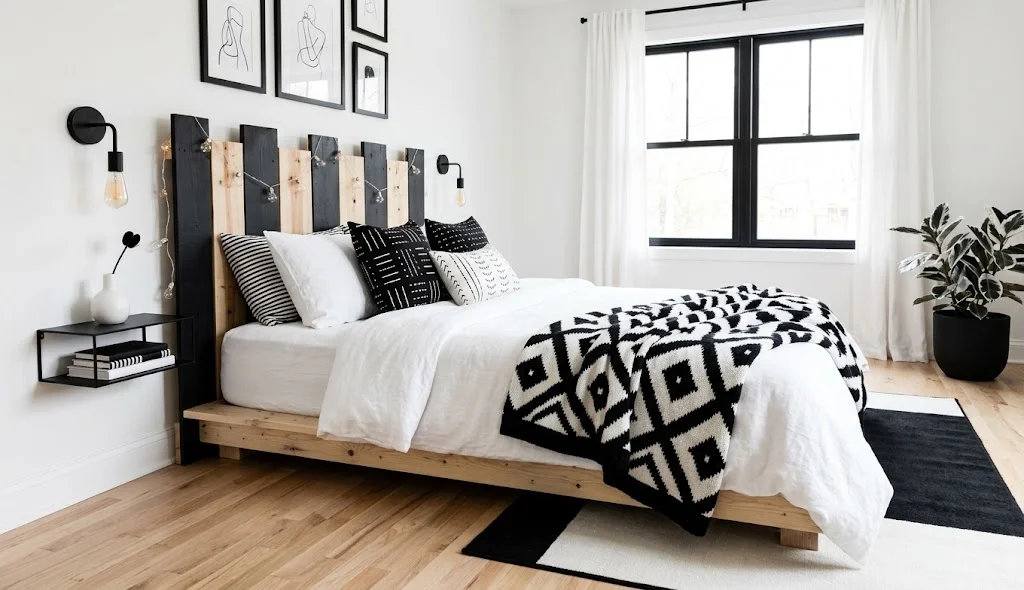
A DIY bed can be a practical and affordable way to improve your bedroom while adding a personal touch to your space. Instead of purchasing an expensive bed frame, you can create a simple design using materials such as wood, pallets, plywood, or existing furniture.
Whether you want a minimalist platform bed, a rustic pallet bed, or a space-saving bed with storage, there are plenty of DIY bed ideas for different room sizes, styles, and budgets.
Why Make a DIY Bed?
Building your own bed can offer several advantages:
- Budget-friendly: DIY materials can cost less than some ready-made bed frames.
- Customizable: Choose the size, height, finish, and design.
- Space-saving: Add storage or create designs for small bedrooms.
- Creative: Match the bed with your existing bedroom decor.
- Practical: Build features such as drawers, shelves, or a raised platform.
- Satisfying: Completing a handmade furniture project can be rewarding.
10 Easy DIY Bed Methods
1. DIY Wooden Platform Bed
A wooden platform bed is a simple and modern option. Build a sturdy rectangular frame from properly sized lumber and add evenly supported slats across the top.
Sand the wood thoroughly and finish it with paint, stain, or a suitable wood finish.
Best for: Modern bedrooms and minimalist interiors.
2. DIY Pallet Bed
Wooden pallets can be arranged to create a low-profile bed platform. Choose clean, structurally sound pallets and make sure they are suitable for indoor use.
Secure the pallets together, smooth rough surfaces, and place an appropriate mattress on top.
Best for: Rustic, industrial, and budget-friendly bedrooms.
3. DIY Bed With Storage
Create a raised platform with storage compartments underneath. You can use wooden drawers, storage boxes, or purpose-built compartments beneath the platform.
This design is especially useful in bedrooms where storage space is limited.
Best for: Small bedrooms and organized spaces.
4. DIY Floating-Style Bed
A floating-style bed creates the visual impression that the bed is suspended above the floor. The supporting frame is positioned inward from the edges, making the base less visible.
Because the bed must safely support the mattress and occupants, use a properly engineered structure and secure all components carefully.
Best for: Contemporary bedrooms.
5. DIY Twin Bed
A twin-size bed can be a manageable furniture project for beginners. Build a simple rectangular frame with adequate mattress support and add a headboard if desired.
Keep the dimensions matched to the mattress you plan to use.
Best for: Children’s rooms, guest rooms, and compact bedrooms.
6. DIY Loft Bed
A loft bed raises the sleeping area to create usable space underneath. The lower area can be used for a desk, seating, or storage.
This project requires careful structural planning because the elevated platform must be extremely stable and include appropriate safety features such as secure access and guardrails.
Best for: Small bedrooms and space-saving layouts.
7. DIY Murphy-Style Bed
A Murphy-style bed folds vertically against a wall when not in use. This can help maximize floor space in a studio, guest room, or multipurpose room.
This is a more advanced DIY project because the frame and hardware need to be correctly installed and securely anchored.
Best for: Small apartments and multifunctional rooms.
8. DIY Daybed
A daybed can function as both seating and sleeping furniture. Build a sturdy rectangular platform and add a backrest or side panels.
Use cushions and pillows to make the bed comfortable during the day.
Best for: Guest rooms, home offices, and reading areas.
9. DIY Canopy Bed
Add four vertical posts to a sturdy bed frame to create a simple canopy structure. You can decorate the upper frame with lightweight fabric or leave it open for a minimalist appearance.
Make sure the posts and upper structure are firmly secured.
Best for: Romantic, classic, and boho bedroom styles.
10. DIY Kids’ Floor Bed
A low floor bed can be a simple option for children’s bedrooms. Build a low wooden frame around a suitable mattress and smooth all exposed edges.
Avoid sharp corners and make sure the construction is sturdy and age-appropriate.
Best for: Children’s rooms and Montessori-inspired bedroom designs.
Basic Materials for a DIY Bed
Depending on the design, you may need:
- Quality lumber or suitable plywood
- Wood screws and appropriate fasteners
- Bed slats or another suitable mattress-support system
- Sandpaper or an electric sander
- Measuring tape
- Carpenter’s square
- Drill
- Saw
- Level
- Wood glue where appropriate
- Paint, stain, or wood finish
- Mattress
- Optional storage boxes or drawer components
How to Make a Simple DIY Wooden Bed
A basic platform bed is a good starting point for an experienced DIYer with appropriate woodworking skills.
Step 1: Measure the Mattress
Measure the exact mattress dimensions before designing the frame. Build the bed around the mattress rather than guessing its size.
Step 2: Plan the Frame
Create a simple plan showing the frame dimensions, support points, legs, and slats. Make sure the design provides adequate support for the mattress and intended load.
Step 3: Cut the Wood
Measure and cut the lumber according to your design. Check each piece carefully before making cuts.
Step 4: Sand the Pieces
Sand rough surfaces and exposed edges to reduce the chance of splinters.
Step 5: Assemble the Frame
Join the frame components using suitable structural fasteners. Check that the corners are square and the frame remains level.
Step 6: Add Mattress Support
Install properly spaced slats or another suitable support system according to the mattress manufacturer’s requirements.
Step 7: Add a Finish
Paint, stain, or seal the wood if desired. Allow the finish to dry completely according to the product instructions.
Step 8: Test the Bed
Before using the bed, check every connection, support point, and leg. Make sure the frame does not wobble or shift under normal loading.
DIY Bed Safety Tips
A bed needs to support significant weight, so safety should be a priority.
- Use structurally sound materials.
- Match the frame dimensions to the mattress.
- Use appropriate structural fasteners.
- Provide adequate center support for larger beds.
- Make sure all legs and joints are stable.
- Sand sharp edges and rough surfaces.
- Do not use damaged or questionable pallets.
- Check the finished frame for movement or wobbling before use.
- For loft, bunk, or wall-mounted designs, follow appropriate safety and structural requirements.
- Secure elevated or folding designs properly before use.
How to Choose the Best DIY Bed Design
Choose your design based on your available space, woodworking experience, budget, and bedroom style.
For beginners, a simple wooden platform bed is usually easier to manage than a loft or folding bed. If storage is your main concern, consider a raised platform with drawers or boxes underneath.
For a rustic bedroom, a pallet-style design can create an interesting look. For a modern room, a clean platform bed with a simple finish can work well.
DIY Bed Ideas for Small Bedrooms
Small bedrooms benefit from furniture that uses space efficiently. Consider:
- Beds with drawers underneath
- Raised platform beds
- Daybeds
- Loft beds
- Beds with integrated shelves
- Fold-away or Murphy-style designs
Always prioritize structural safety over saving space, especially with elevated or wall-mounted beds.
Final Thoughts
A DIY bed can transform your bedroom while giving you the freedom to choose the size, style, materials, and features. From simple wooden platform beds to storage beds and rustic pallet designs, there are many possibilities for a creative furniture project.
Start with a straightforward design, measure carefully, use strong materials, and make sure the finished structure is stable before placing a mattress on it. With thoughtful planning, your DIY bed can become a practical and attractive centerpiece for your bedroom.