

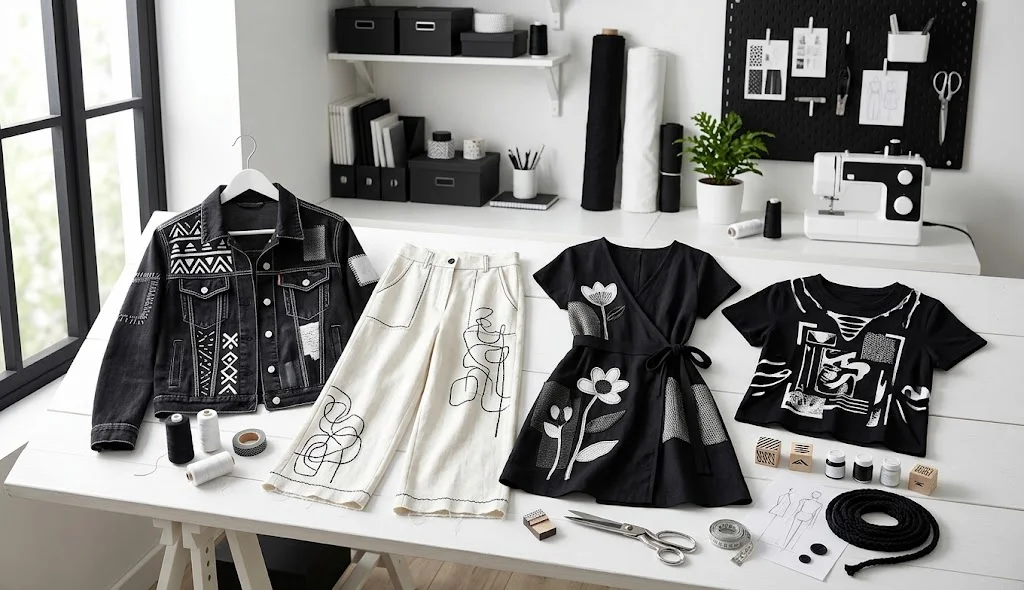
DIY outfits are a fun and affordable way to refresh your wardrobe, express your personal style, and transform old clothing into something new. Instead of buying a completely new outfit, you can customize existing clothes or create garments from fabric and other suitable materials.
From upcycled T-shirts and denim outfits to simple skirts, matching sets, and customized tops, there are plenty of DIY outfit ideas for beginners and experienced crafters. With basic sewing supplies and a little creativity, you can create unique looks for everyday wear, parties, holidays, or special occasions.
Why Try DIY Outfit Projects?
Making your own outfits has many benefits:
- Budget-friendly: Refresh your wardrobe without buying everything new.
- Personalized: Choose your own colors, fabrics, patterns, and details.
- Creative: Experiment with different clothing styles and designs.
- Sustainable: Upcycle old clothing and leftover fabrics.
- Unique: Create outfits that reflect your individual style.
- Skill-building: Improve your sewing and clothing customization skills.
10 Easy DIY Outfit Methods
1. DIY T-Shirt Outfit
Give a basic T-shirt a fresh look by cropping it, adding decorative details, or pairing it with customized bottoms.
You can also add fabric patches, embroidery, fabric paint, or simple alterations to create a personalized outfit.
Best for: Casual everyday fashion and beginners.
2. DIY Denim Outfit
Create a casual denim-inspired outfit using old jeans, denim jackets, or denim skirts. Customize the pieces with patches, embroidery, cuffs, or carefully planned alterations.
Combining different denim shades can create an interesting layered look.
Best for: Casual outfits and upcycling projects.
3. DIY Two-Piece Outfit
Create a matching top-and-bottom set from coordinating fabric. Choose a simple top pattern and pair it with an elastic-waist skirt, shorts, or relaxed pants.
Using the same fabric creates a coordinated appearance.
Best for: Summer outfits, casual wear, and personalized fashion.
4. DIY Skirt Outfit
Transform a simple skirt into the centerpiece of a complete outfit. Pair it with a customized top, cardigan, belt, or other suitable clothing pieces.
You can also make a skirt from fabric using a beginner-friendly elastic waistband pattern.
Best for: Everyday outfits and feminine styles.
5. DIY Crop Top Outfit
Turn an oversized or unused T-shirt into a crop top by carefully adjusting the length and finishing the edge.
Pair the customized top with high-waisted pants, jeans, a skirt, or shorts for a casual outfit.
Best for: Casual summer fashion.
6. DIY Dress Outfit
Create a complete outfit around a handmade or upcycled dress. A simple cotton dress can be paired with a belt, cardigan, scarf, or handmade accessories.
You can also alter an old dress by changing its length, adding sleeves, or updating decorative details.
Best for: Casual occasions and wardrobe makeovers.
7. DIY Oversized Shirt Outfit
Transform an oversized button-up shirt into a fashionable outfit by wearing it as a relaxed layer or modifying it into a shirt-style dress.
You can add a belt, change the sleeves, or adjust the hem for a more customized appearance.
Best for: Casual and relaxed fashion.
8. DIY Patchwork Outfit
Use suitable fabric scraps or old clothing to create a patchwork-inspired garment. Add carefully planned fabric panels to jackets, skirts, tops, or other garments.
Choose fabrics with complementary colors and patterns for a cohesive result.
Best for: Creative upcycling and statement fashion.
9. DIY Lounge Outfit
Create a comfortable matching lounge set using soft, suitable fabric. A simple elastic-waist pant pattern paired with a loose top can create a practical homemade outfit.
Choose breathable fabric for comfort and easy movement.
Best for: Home wear and relaxed weekends.
10. DIY Party Outfit
Customize an existing dress, skirt, top, or jacket for a special occasion. Add suitable trim, decorative fabric, embroidery, or accessories to create a more distinctive look.
For major alterations, test the design on inexpensive fabric first.
Best for: Parties, celebrations, and special events.
Basic Materials for DIY Outfit Projects
Depending on your chosen project, you may need:
- Fabric
- Old T-shirts
- Jeans or denim clothing
- Sewing machine
- Needle and thread
- Fabric scissors
- Measuring tape
- Sewing pins or clips
- Fabric chalk
- Ruler
- Iron
- Seam ripper
- Elastic
- Buttons
- Zippers
- Fabric patches
- Embroidery thread
- Fabric-safe decorative materials
How to Make a Simple DIY Outfit
A matching top-and-bottom outfit is a good project if you have basic sewing experience.
Step 1: Choose the Outfit Style
Decide whether you want a casual set, summer outfit, lounge set, or another style.
Step 2: Select Your Fabric
Choose fabric appropriate for the design and intended use. Cotton and other beginner-friendly fabrics can be easier to handle than slippery or highly stretchy materials.
Step 3: Take Your Measurements
Measure the bust, waist, hips, and desired garment lengths. Use these measurements to select or adjust suitable patterns.
Step 4: Prepare the Patterns
Use properly drafted patterns for the top and bottom pieces. Check the pattern instructions before cutting your fabric.
Step 5: Cut the Fabric
Lay the fabric flat and carefully cut the required pieces. Follow the grain direction and include the required seam allowances.
Step 6: Sew the Pieces
Assemble the top and bottom according to the pattern instructions. Press seams as you work for a cleaner result.
Step 7: Add Finishing Details
Add elastic, buttons, pockets, hems, or other design features as required.
Step 8: Check the Fit
Try on the garments before completing the final finishing touches. Make appropriate adjustments if necessary.
Step 9: Style Your Outfit
Complete the look with suitable shoes, jewelry, bags, scarves, or other accessories.
DIY Outfit Safety Tips
Clothing projects involve sharp tools and sewing equipment, so basic precautions are important:
- Use scissors, needles, pins, and sewing tools carefully.
- Keep pins and needles in a secure container.
- Children should have adult supervision when using sewing machines or sharp tools.
- Unplug the sewing machine before changing the needle or performing maintenance.
- Follow the manufacturer’s instructions for your sewing machine.
- Test fabric dyes, paints, and adhesives on a small piece before using them on a complete garment.
- Avoid overly tight alterations that make clothing uncomfortable or restrict movement.
How to Make a DIY Outfit Look Professional
The quality of the finished outfit often depends on accurate measurements and careful construction. Take time to cut fabric evenly and check the fit before making permanent alterations.
Press seams while sewing and finish raw edges appropriately for the fabric. Coordinating colors and textures can also make separate DIY clothing pieces look like a complete outfit.
If you are upcycling clothing, use the existing features—such as buttons, collars, pockets, and seams—as part of the new design whenever possible.
DIY Outfit Ideas for Beginners
If you are new to clothing DIY, start with projects that require simple alterations:
- Customized T-shirts
- Elastic-waist skirts
- Simple lounge pants
- Oversized shirt makeovers
- Basic crop tops
- Upcycled denim
- Simple matching sets
Once you become comfortable with basic sewing, you can experiment with dresses, jackets, patchwork clothing, and more detailed outfit designs.
DIY Outfit Ideas for Different Occasions
You can adapt DIY clothing projects for many occasions.
Casual: Try customized T-shirts, jeans, skirts, or matching sets.
Summer: Choose lightweight dresses, crop tops, skirts, and loose pants.
Party: Customize a dress, skirt, blouse, or jacket with elegant decorative details.
Lounge: Make comfortable pants and oversized tops from soft fabrics.
Special occasions: Create coordinated outfits using matching fabrics and carefully finished details.
Final Thoughts
DIY outfits are a creative way to personalize your wardrobe while saving money and giving old clothing a new purpose. From customized T-shirts and denim outfits to matching sets, dresses, skirts, and lounge wear, there are countless ways to create unique looks at home.
Start with simple alterations if you are a beginner, then gradually explore sewing patterns and more advanced clothing projects. With creativity, careful measurements, and the right materials, you can create DIY outfits that are comfortable, stylish, and uniquely yours.