

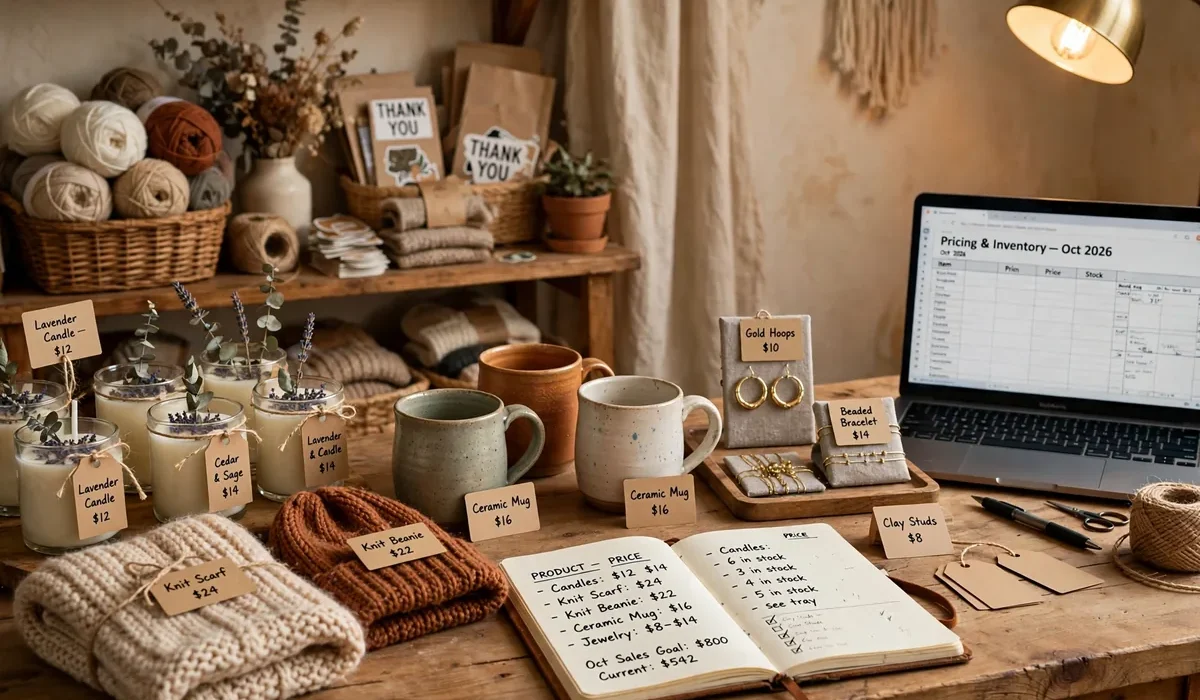
Turning a creative hobby into a craft business is one of the most rewarding ways to earn income from your skills. You get to make things you love, build a brand around your work, and connect with customers who value handmade quality. Yet passion alone is not enough. A lasting craft business needs clear pricing, thoughtful branding, smart selling channels, and simple financial habits. Whether you make candles, jewelry, knitted goods, paper products, or home decor, the foundations are the same. Start small, learn what sells, and grow steadily. This guide walks through the practical steps of starting and running a craft business, from your first product to your first repeat customer.
Start With a Clear Idea
Successful craft businesses usually start narrow. Instead of selling everything you can make, choose one product line and do it well. A focused shop is easier to brand, easier to photograph, and easier for customers to remember. Ask yourself three questions. What do I enjoy making enough to produce regularly? What do people already ask me to make? What can I produce at a consistent quality? The overlap of those answers is often your strongest starting point. Test demand before you invest heavily. Share your work with friends, at a local market, or in an online community. Watch which items attract questions, compliments, and orders. Early feedback is more valuable than a perfect logo. Define your ideal customer too. A handmade baby blanket appeals to a different buyer than a bold statement necklace. When you know who you serve, your product photos, descriptions, and prices all become easier to write.
Pricing Your Handmade Work
Many new sellers underprice their work. They charge only for materials and forget their time, packaging, fees, and overhead. Underpricing leads to burnout, because you work hard without earning enough to continue. A simple pricing formula helps. Add your material cost, your labor cost, and your overhead, then add a profit margin. Labor should reflect a fair hourly rate for skilled work. Overhead includes packaging, tools, shipping supplies, platform fees, and marketing costs. Your first price is a starting point. If products sell out immediately, your price may be too low. If you get compliments but few sales, adjust your price, photos, or audience.
Branding That Builds Trust
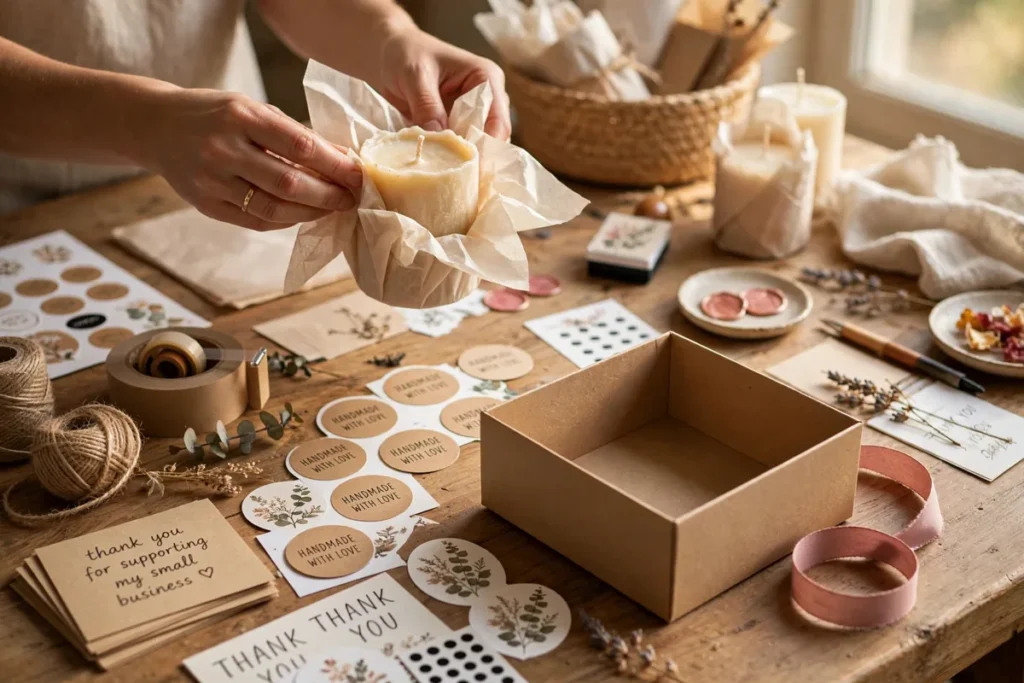
Branding is not just a logo. It is the feeling customers get from your shop. Choose a shop name that is easy to spell and remember. Pick two or three brand colors and use them consistently in photos, packaging, and social posts. Write product descriptions in a warm, clear voice that explains what makes each piece special. Consistency builds trust. When photos, packaging, and messages all look related, customers see a professional business. Handmade buyers love stories. Share why you started, how you make each piece, and what materials you choose. A short maker story helps customers feel connected to your work. Photography matters enormously. Use natural light, a clean background, and multiple angles. Show scale beside familiar objects, and show detail with close ups of texture, stitching, or finish.
Where to Sell Your Crafts
Online marketplaces are a popular starting point because they bring built in traffic. Etsy, Amazon Handmade, and similar platforms let you list products quickly and reach buyers searching for handmade goods. Each platform charges fees, so include those fees in your pricing. Use descriptive titles, honest materials lists, accurate dimensions, and care instructions. Answer messages promptly. As your business grows, your own website gives you more control over branding, pricing, and customer relationships. Social media can drive traffic to your shop, especially visual platforms where handmade products shine. Share process videos, behind the scenes photos, and customer stories, not only sales messages. In person selling offers instant feedback. Start with a small local market, bring a simple display and clear price signs, and watch which products people touch and buy.
Managing Money and Taxes
Keep business finances separate. Use a dedicated bank account or payment method for your craft business. Track every sale and every expense, even small ones. Use a spreadsheet or a basic accounting app. Record the date, item, amount, and category for each transaction. Save receipts for materials, packaging, tools, shipping, and market fees. Good records save time at tax season and show whether your business is truly profitable. Tax rules vary by location, so check the rules where you live. You may need to register your business, collect sales tax, and report self employment income. Keep clean records from day one and seek local advice before your first filing.
Growing Without Burning Out
As orders grow, simple systems save time. Create checklists for production, packaging, and shipping. Prepare packaging in batches. Set specific days for making, photographing, listing, and shipping. Batch work is far more efficient than switching tasks all day. Set realistic production limits. It is better to list ten products you can make well than fifty products that leave you exhausted. Quality and consistency keep customers coming back. Repeat customers are the foundation of a stable craft business. Include a thank you note with each order, follow up politely after delivery, and ask happy customers to leave a review. Listen to feedback: if several customers request a different color, size, or variation, consider adding it.
Frequently Asked Questions
How much money do I need to start a craft business?
You can start small with materials you already own and a few basic supplies. Focus on one product line, test demand, and reinvest early profits into more materials and better packaging.
How do I price handmade crafts fairly?
Add material costs, fair labor, overhead, fees, and profit. Do not compare your prices only to mass produced goods. Handmade work offers quality, uniqueness, and personal care that factory products cannot match.
Where is the best place to sell crafts for beginners?
Online marketplaces are a good starting point because they provide ready traffic. Local markets are also valuable for direct feedback. Many sellers use both and later add their own website.
Do I need to register my craft business?
Requirements depend on your location. Check local rules for business registration, sales tax, and income reporting. Keep records from the start and seek local advice when needed.
Start Your Craft Business Today
You do not need a perfect shop to begin. You need one good product, a fair price, and a clear place to sell it. Start small, learn from every sale, and improve one thing at a time. Your craft already has value. With smart pricing, honest branding, and steady effort, it can grow into a business you are proud of. Explore more handmade and selling guides on Hommiest and take your next step today.